Back to Emergency Services
24/7 Emergency Guide

Water Leaks & Flooding

Fast action can limit damage to drywall, flooring, insulation, cabinetry, and framing. We identify affected areas, extract water, assess hidden moisture, dry the structure, and rebuild damaged finishes after the source is controlled.

Warning signs

  • Water stains that are spreading
  • Dripping or bulging ceilings
  • Standing water or soaked flooring
  • Damp drywall, trim, or insulation
  • A sudden musty smell after a leak

What to do immediately

  1. 1Shut off the main water supply when it is safe and practical.
  2. 2Keep away from wet electrical fixtures, outlets, and appliances.
  3. 3Move valuables from the affected area without entering an unsafe space.
  4. 4Photograph visible damage if you can do so safely.

Understand the situation

Common causes and what we assess

The visible damage is often only part of the problem. A proper response looks at where the issue began, what materials may be affected, and what must happen before repairs can safely start.

Common causes

  • Burst or leaking supply lines
  • Failed appliances, fixtures, or drain connections
  • Foundation seepage, sump pump failure, or stormwater entry
  • Roof, window, or plumbing leaks hidden above finished surfaces

What we assess

  • Trace the visible path of the water and confirm the source has been controlled
  • Check drywall, ceilings, insulation, flooring, cabinetry, and framing for moisture
  • Use moisture readings and thermal imaging to identify areas that may not look wet
  • Determine what can be dried in place and what must be removed for safe access

How we handle the damage

We first address the immediate condition, then develop a practical repair plan based on what is affected and which specialists are required.
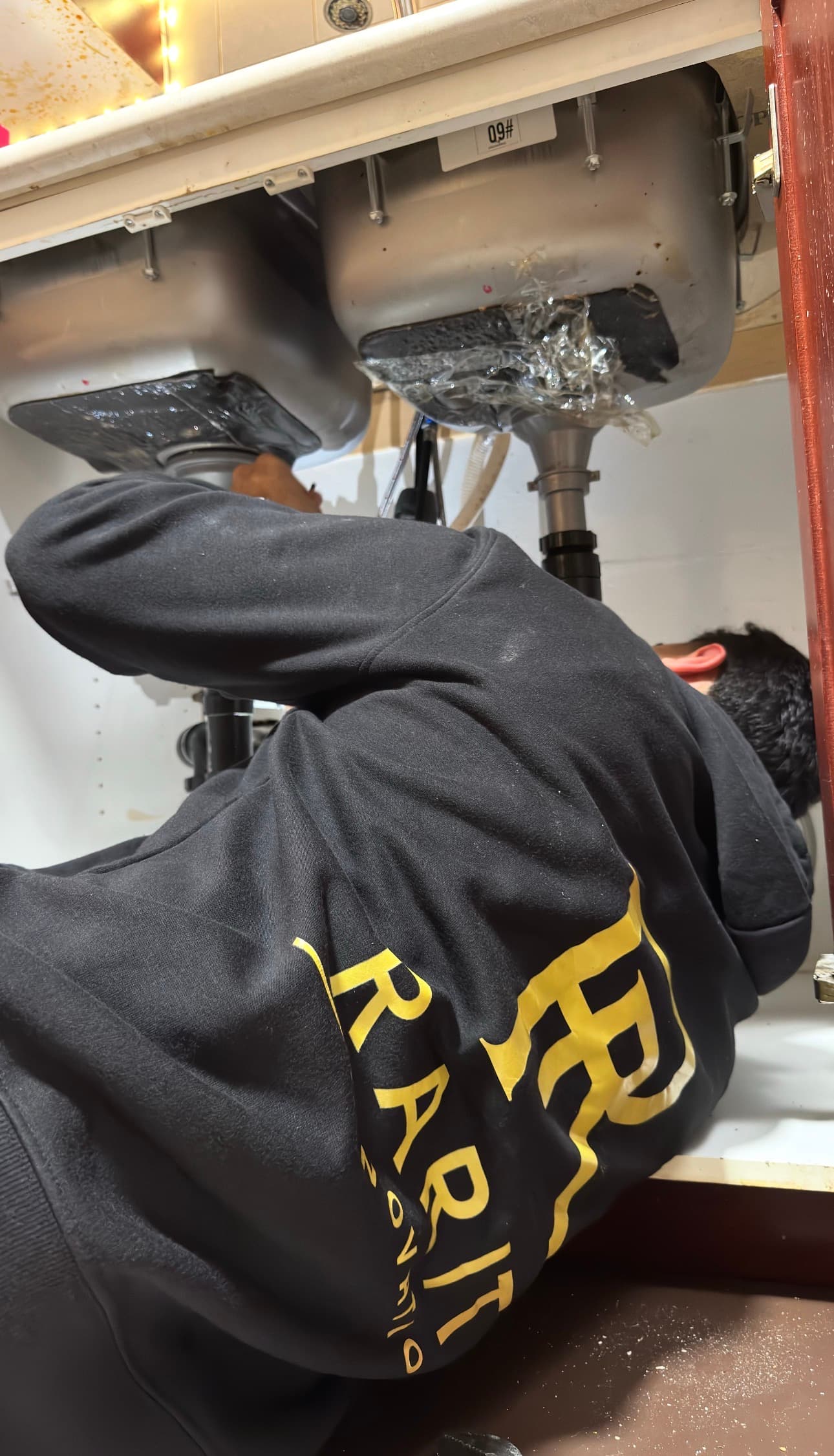
Rarity Renovations team responding to water damage beneath a leaking sink
On-site leak assessment and source access by the Rarity Renovations team.

Emergency response

  • Water extraction where required
  • Moisture detection and thermal imaging
  • Protection of unaffected floors and finishes
  • Structural drying and dehumidification
  • Ongoing moisture monitoring and repair recommendations

Repair and restoration

  • Mould prevention after water damage
  • Drywall and ceiling replacement
  • Insulation, trim, and flooring repairs
  • Patching, priming, and painting
  • Complete reconstruction after mitigation

Important safety notice

If water is near an electrical panel, live wiring, or energized equipment, stay clear and call 911 or your electrical utility before entering the area.

What not to do

  • !Do not enter standing water when electricity may be present
  • !Do not assume a dry surface means the materials behind it are dry
  • !Do not close wet rooms without ventilation or professional drying
  • !Do not remove a bulging ceiling from directly underneath it

What happens after stabilization

Once the source is stopped, the priority is controlled extraction, drying, and moisture monitoring. Repairs should begin only when affected assemblies are dry enough to close safely.

We provide a clear repair scope for the work within our role and coordinate licensed plumbing, electrical, structural, or environmental specialists when the condition requires them.

Not sure how serious the damage is?

Call and describe what you can safely see. We’ll help determine the appropriate next step and whether another emergency service must attend first.

Emergency? Call Now!